
The Important Role of Emergency Funds That Few Realize
Most financial advice is about how to invest, save for retirement, or grow wealth.
All those goals are worth something.
But there is one financial tool that often flies under the radar until it is desperately needed.
Emergency savings.
This might not be thrilling.
It’s not in the front pages.
However, it does not provide quick rewards.
But an emergency fund can be the difference between a temporary setback and a long-term financial problem.
Life Doesn’t Always Go According to Plan
There are always surprise bills in life.
A car goes bankrupt.
Unexpected medical bill.
One home repair will have to wait.
There is a short term loss of income when you change jobs.
Most people know these things can happen.
The problem is a lot of people think they’ll have time to get ready and they don’t.
The truth is that emergencies rarely come with a prior warning.
That’s why you need to be financially prepared.
What Is an Emergency Fund?
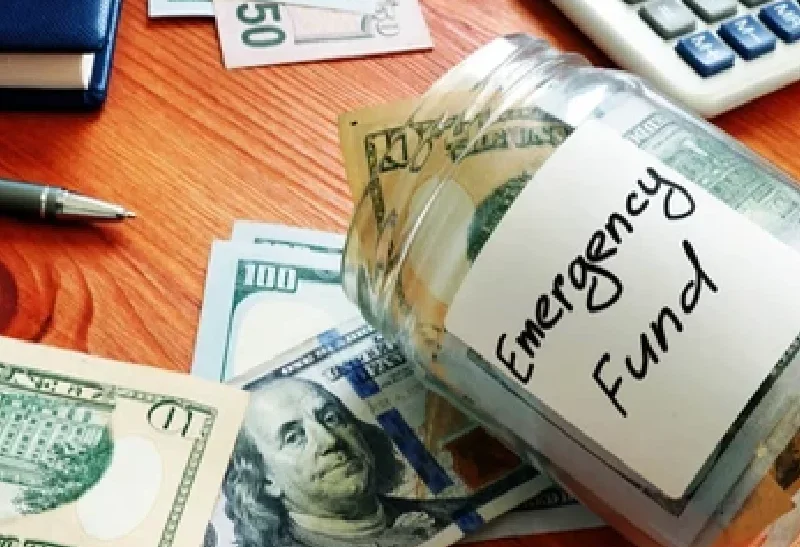
An emergency fund is money you set aside for unexpected expenses.
This is not money for vacation.
It’s not for shopping money.
This isn’t investment money.
It’s easy.
To provide financial assistance should something unexpected occur.
Emergency savings can help you avoid going into high-interest debt in tough times.
Why So Many People Fail To Build Them
The benefits seem obvious.
But many people put off creating an emergency fund.
Some say they can’t save because they don’t make enough money.
Others struggle mightily to invest or pay down debt.
There are a lot of people out there who just figure emergencies are not going to happen any time soon.
The problem is that financial emergencies don’t happen at convenient times.
Waiting for a problem to happen is often too late.
The Financial Stress Factor
Money causes problems other than financial pressures.
They also tend to produce emotional upset.
Unexpected expenses can cause stress, tough decisions, and questions about the future.
An emergency fund can relieve the pressure.
You already have a plan so you’re not stressed about how you’re going to pay for an unexpected bill.
That sense of security can be just as precious as the money itself.
Small Things Matter
There’s a misconception that an emergency fund needs to be a lot of money and you need to get it right away.
That belief stops a lot of people from starting.
The truth is much simpler.
Emergency funds usually take time to build up.
Small, consistent contributions can snowball over time.
At first, putting away a little each month may seem like not much.
But consistency over months and years can be a real financial life raft.
Where to Keep Your Emergency Savings
Accessibility is king.
Emergency money needs to be ready to go when it’s time to use it.
Financial experts often recommend keeping emergency savings separate from accounts you use for everyday spending — but close at hand.
This isn’t about maximum returns.
The aim is to retain liquidity and financial flexibility.
An emergency fund is for security, not for aggressive growth.
Typical Uses of Emergency Funds
Emergency savings can be used for a range of unexpected situations, including:
- Cost of health
- Repair of vehicle
- Home maintenance essentials
- Loss of short-term income
- Urgent travel needs
- Unexpected family crises
Everyone’s situation is unique, but the need to be financially ready is universal.
Long-Term Financial Goals and Emergency Funds
Some believe emergency savings are money better spent elsewhere.
Investment is important, but emergency funds are for something else.
Investments are supposed to grow wealth.
It’s paid for out of emergency funds.
People without an emergency fund have to sell investments, use credit cards, or borrow money at inconvenient times and for unexpected expenses.
A good financial plan usually involves both investing and having emergency savings.
They operate in tandem, not against each other.
Becoming Financially Confident
One of the biggest advantages of having an emergency fund is confidence.
And with a safety net it is easier to handle the uncertainty of finances.
However, unforeseen costs may still occur.
There are possibly other problems.
But preparation alters the way these challenges are met.
A plan, not panic, can be the answer.
There is room for a plan.
Summary of Findings
Emergency funds are not the sexiest part of personal finance.
They aren’t front-page news like stock market gains or investment opportunities.
But they are necessary for financial stability.
Life is full of surprises.
Life has costs you don’t anticipate.
An emergency fund does not prevent problems from happening.
What it can do is offer financial protection when these problems do occur.
For many Americans, that coverage is one of the best financial investments they can make.