

While the daily operations of a business can vary considerably from one industry to another, some of the basics are surprisingly similar.
It’s not just selling more that makes a company grow. Whether a business is just starting out or has been around for years, customer relationships, employees, technology, operating costs, risk management, cash flow, and the ability to adapt all contribute to long-term performance.
A strong business is rarely built through one big decision. More often, it is created through many small decisions that are made consistently over time.
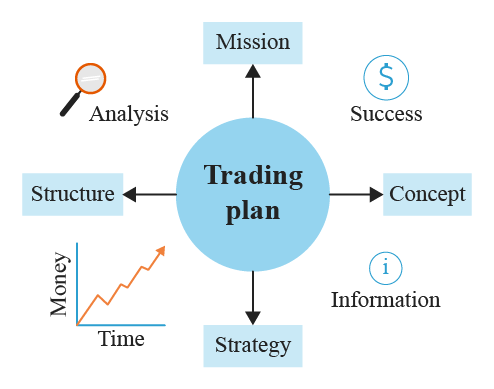
Start With a Clear Business Plan
A business plan does not need to be a complicated document filled with pages of projections. What matters is having a clear understanding of what the company is trying to achieve and how it plans to get there.
A good business plan should include:
- The products or services being provided
- Target customers
- Primary sources of income
- Operating costs
- Competitors
- Growth opportunities
- Potential risks
- Short- and long-term goals
When priorities are clear, it becomes easier to determine where to spend time, money, and other resources.
Business plans should also be reviewed periodically. Markets evolve, customer preferences change, and unexpected challenges can appear. A plan that made sense a few years ago may need to be adjusted to reflect current circumstances.
Keep an Eye on Cash Flow
A business can be profitable and still experience financial problems if cash is not managed properly.
Cash flow refers to the money moving in and out of a business. Revenue may look healthy, but late-paying customers, rising supplier costs, loan repayments, taxes, payroll, and other expenses can create financial pressure.
This can be especially important for smaller businesses, where a few delayed payments can make a noticeable difference.
Good habits include:
- Monitoring cash inflows and outflows
- Following up on outstanding invoices
- Separating business and personal finances
- Reviewing recurring expenses
- Maintaining a healthy cash reserve
- Preparing for seasonal changes in revenue
Good cash-flow management provides a clearer picture of what the business can realistically afford.
Know Your Numbers
Financial statements can seem intimidating, but business owners do not need to be accountants to understand the basic figures.
Revenue, gross profit, operating expenses, net profit, cash flow, debt, and assets each tell a different part of the business story.
Regularly reviewing these numbers can help identify problems before they become larger.
For example, higher sales may look positive, but if operating costs are increasing even faster, the business may not actually be becoming more profitable.
Financial information is most useful when it helps support better decisions rather than simply being recorded and forgotten.
Focus on the Customer, Not Just Sales
A company can make a sale without necessarily creating a loyal customer.
Long-term growth often depends on understanding what customers really need and whether the product or service continues to provide value.
Customer feedback can point out problems that internal teams may overlook. Reviews, complaints, support requests, repeat purchases, and customer questions can all provide useful information.
This information can help businesses improve areas such as:
- Product quality
- Customer service
- Pricing
- Shipping and delivery
- Communication
- Website usability
- After-sales support
A satisfied customer is more likely to return and recommend the business to others.
Control Costs Without Compromising Quality
Reducing unnecessary costs can improve profitability, but cutting expenses without considering the consequences can create new problems.
For example, choosing the cheapest supplier may reduce initial costs but could result in poor-quality products or unreliable deliveries.
A better approach is to understand which costs contribute to business performance and which expenses provide little value.
Regularly reviewing subscriptions, software, suppliers, advertising spending, office expenses, and other recurring payments can help identify opportunities to save money without affecting important operations.
The goal should not simply be to spend less. It should be to get better value from the money being spent.
Use Technology When It Makes Sense
Technology has become part of almost every area of business, from accounting and communication to marketing, customer service, inventory management, and data analysis.
With the right tools, businesses can reduce repetitive work and allow employees to focus on more valuable tasks.
Automation can be particularly useful for routine processes such as:
- Invoice reminders
- Appointment scheduling
- Inventory updates
- Customer emails
- Data entry
- Reporting
- Internal notifications
However, using more technology does not automatically make a business more efficient. A tool should solve a genuine business problem rather than being adopted simply because it is popular or trendy.
Protect the Business From Risks
Every business faces risks.
Some may come from changes in customer demand, supply chain problems, economic conditions, cyber threats, employee turnover, regulatory changes, or unexpected expenses.
Risk management is not about predicting every possible problem. It is about identifying important vulnerabilities and preparing for realistic situations.
Depending on the business, this may include:
- Having appropriate insurance
- Protecting sensitive information
- Establishing backup systems
- Diversifying suppliers
- Documenting important processes
- Maintaining emergency funds
Businesses that prepare for potential problems are generally in a better position to respond when unexpected situations occur.
Invest in Your People
Employees can directly influence productivity, customer experience, innovation, and company culture.
A business that expects employees to perform well should also provide the tools, training, communication, and support needed to do their jobs effectively.
Clear responsibilities can help prevent confusion, while regular feedback can help identify problems before they become larger.
Developing employees does not always require expensive training programs. Mentoring, sharing internal knowledge, practical workshops, and opportunities to take on new responsibilities can also help people grow.
Salaries and benefits are important, but they are not the only things that create a strong workplace. Respect, communication, recognition, and opportunities for growth also matter.
Avoid Depending on One Source of Income
Overdependence on one customer, one product, or one market can create significant risks for a business.
If a major customer leaves or demand for a particular product suddenly falls, the impact can be substantial.
Diversifying revenue can provide an additional level of stability. Depending on the business model, this could involve introducing related products, reaching new customer groups, entering new markets, or offering complementary services.
However, diversification should be approached carefully. Expanding too quickly can increase costs and complexity.
The goal is to create additional opportunities while still maintaining control over the core business.
Keep Learning and Adapting
Markets are rarely static.
Customer expectations change. New competitors enter the market. Technology continues to develop. Costs fluctuate, and new regulations can affect entire industries.
A business model that worked well initially can eventually struggle if the company is unwilling to adapt.
Keeping track of industry developments, customer behaviour, competitors, and technology can help businesses identify opportunities earlier.
Adaptation does not always mean completely changing the business. Sometimes a small adjustment to pricing, marketing, customer service, product design, or operations can make a meaningful difference.
Focus on Sustainable Growth
Rapid growth can be a positive sign, but growing too quickly can create its own problems.
More customers may require additional employees, equipment, inventory, technology, working capital, and management capacity.
Before expanding, it is important to make sure the business has the systems and resources needed to handle increased demand.
Sustainable growth is generally about building business capacity alongside revenue. A company that grows at a manageable pace may be better positioned to maintain quality, serve customers effectively, and protect its financial health.

Make Decisions Using Information
Business decisions are sometimes based on assumptions, habits, or intuition.
Experience certainly has value, but useful data can make decisions more reliable.
Sales figures, customer behaviour, website visits, inventory levels, profit margins, employee performance, and other relevant metrics can help show what is actually happening within the business.
This does not mean collecting endless amounts of data. The goal is to identify the information that can answer important business questions.
Good information can help determine what is working, what needs improvement, and where resources should be allocated.
Conclusion
Building a strong business is rarely about discovering one perfect strategy.
It is more about managing the fundamentals consistently: understanding finances, protecting cash flow, taking care of customers, controlling unnecessary costs, supporting employees, managing risks, using technology wisely, and adapting when circumstances change.
Markets and economic conditions will continue to change, and no business can control every external factor.
What can be controlled is how prepared the business is to respond.
A business built on clear planning, sound financial habits, strong customer relationships, and steady growth has a stronger foundation for taking advantage of opportunities and handling challenges over the long term.