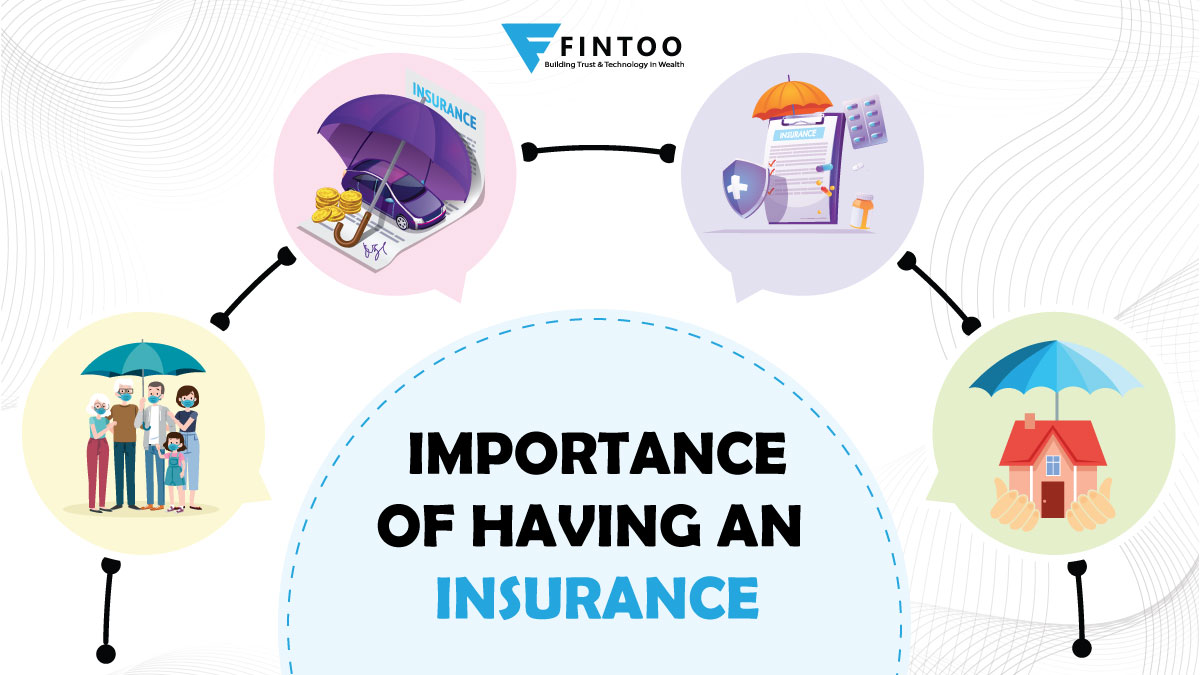


Financial planning in general refers to saving, investing, building and planning wealth for future goals. Insurance is usually considered much later, sometimes when something unforeseen happens that shows the importance of it. But protecting what you already have can be equally important to growing it.
Consider this: You’ve spent years building up your nest egg of savings and investments, just to have a large portion of it wiped out by an unexpected medical emergency, accident or major property damage. In such a case the problem is not necessarily one of lack of saving. It is the magnitude of the cost.
“Insurance is a mechanism to manage those types of financial uncertainties. You can pay a premium to an insurance company and pass some of your risk along, instead of worrying about every possible loss.Creating Wealth Before Protecting It
Saving and investing are generally done with the goal of building financial strength over a period of time. Insurance is another thing. It is mostly about the preservation of what has been made.
That difference is important when you’re building a financial plan. You may have investments, savings and valuable assets but a single large unexpected event can put pressure on all of these.
For example, a serious medical treatment can involve a lot of money in a short period of time. If you don’t have adequate health coverage, you may have to use savings meant for something else. Some insurance policies will cover approved costs, which will lower the amount of money that has to be paid out of pocket.
Of course, that’s not to say insurance is a substitute for savings. They have different purposes and can complement each other in a broader financial planning approach.
Building an emergency financial cushion
An emergency fund is usually held to meet unforeseen expenses such as a temporary loss of income, urgent repairs, or other financial emergencies. Insurance helps you pay for some of the bigger risks, so it’s part of your emergency fund .
They are not to be confused with one another. Emergency savings is having your own money immediately available. Insurance covers you for certain things, as specified in the policy.
If you have both you are able to establish a better safety net financially. Savings can help you with minor unexpected costs. Insurance can cover larger unexpected costs (partially).
Health Costs Could Alter Your Financial Plans
Healthcare costs are one of the primary reasons insurance can matter in financial planning. Medical costs can add up quickly, especially if you need to be hospitalized, require surgery, or need long-term treatment.
Even the most fiscally responsible households might not be able to absorb a large medical bill without sacrificing other financial objectives.
Depending on the policy, health insurance may cover some eligible medical expenses. But it’s important to know the details. The coverage limits, waiting period, exclusions, deductibles, network hospitals and claim procedures can differ for different policies.
Health insurance doesn’t mean you can ignore all your medical bills
Protecting Your Income and Your Family’s Financial Future
Income is one of the most valuable financial assets for many households. Every month, the money I make will go toward bills, building savings and investments, paying down debt, and working toward long-term goals.
Especially, when other members of the family depend on the financial status of one person, life insurance may be suitable. A good life insurance policy will give financial help to the beneficiaries as per the terms of the policy after the death of the policyholder.
Making money is not necessarily the objective. This is to avoid the financial disruption that can happen when a large source of household income is lost
When determining how much coverage you need, you can consider such factors as your income, current liabilities, dependents, future financial objectives and assets available to you.
Safeguarding critical assets
Financial planning is more than simply looking at bank accounts and investments. Cars, homes and other valuables are also a source of funds.
Unexpected costs can arise from auto accidents, thefts, and damage to property. Motor vehicle and property insurance can help to mitigate some of the risks associated with these assets.
The asset and the risks it faces drive the right cover. Please read the policy wording carefully as not all types of loss or damage are covered.
Insurance and Debt
Another reason insurance is an important part of financial planning is debt.
Things can happen that affect your income but you may still have to make your home loan, car loan, personal loan and other financial commitments. If financial protection is not enough, any extra pressure from outstanding debt can fall on existing savings or family members.
Insurance will not wipe out debt, but the right insurance policies can help cushion the blow of some surprises.
This is especially true for a family with a large financial liability, or one that is especially dependent on a single income.
The Cost of Not Being Insured Enough
Selecting inadequate coverage can create issues when you need it the most.
You may have a policy, but the amount of coverage may not be enough to cover the actual financial loss. Some times there may be exclusions or limits applied where certain costs are not covered.
And that’s why the cheapest policy is not necessarily the best policy. The premium is important, but also the amount of coverage, exclusions, claim conditions, deductibles and other features of the policy.
But you could end up paying for coverage that isn’t necessary. “You want to have enough protection, you don’t necessarily want the biggest policy you can,” he said. Life Events & Insurance Check-up
For many years financial conditions do not stay the same.
Your insurance needs can change with a new job, getting married, having children, buying a house or a new car, an increase in income or a change in financial responsibilities.
What worked 2 years ago, won’t today. Regular Review of Insurance Helps Identify Gaps and Unnecessary Coverage.
Keep it updated, especially if your beneficiaries or personal information changes.
Read Policy Problems
Insurance papers are full of strange terms and detailed conditions. Ignore them and you could be wrong.
Knowing what is covered and what is not covered, how claims are paid, what the deductibles are, and whether there are any special limits or waiting periods can help you before you purchase a policy.
In particular, the claims process is important. Knowing what documents might be needed and when a report is due can help make a stressful situation more manageable.

Insurance – Confronting Uncertainty
No one knows when accident, illness, loss of property or other unforeseen event will occur. Therefore, financial planning cannot be based on expected expenses only.
One way to plan for the unexpected is insurance.
We’re not trying to take all risk out of finance. That’s not possible. Instead, insurance can help protect some unexpected events from devastating your savings, investments and long-term financial objectives.
For a balanced financial plan, generally you need both sides of the equation: wealth building and wealth protection. Savings are for flexibility, investments are for growth over time, and insurance is for protection against certain risks .
The true value of insurance is when you need it. It may look like any other bill until then. But if a financial attack takes you by surprise, the right protection can mean the difference between a setback or a full-blown financial crisis.