

Insurance is not an expense until you need it: A practical guide to safeguarding your finances
Ever met someone who said “I wish I bought insurance earlier”?
Usually, it’s the result of a sudden incident — a hospital stay, a car accident, a house fire, or the sudden death of a family breadwinner. Until now, insurance has often felt like just another bill each month. And after that moment, it’s something people regret not having done earlier.
That’s the funny thing about insurance. You hope you’ll never need to use it but if life throws you a costly surprise, it can make all the difference.
If you’ve put off buying insurance because it seems confusing, this guide is for you.
Why Insurance Is Needed in the First Place?
Life is uncertain.
Sometimes you can’t prevent an accident, illness, natural disaster or theft. What you can do is to lessen the financial damage they create.
In essence, insurance is about sharing risk. Many people pay premiums into a common pool and when someone experiences a covered loss, the insurance company helps pay the financial cost according to the terms of the policy.
When it comes to one large expense, you’re not alone; you’re backed by a system built to handle unexpected risks.
Think of Insurance as a Safety Net
Imagine you’re walking on a tightrope.
You probably won’t fall down.
But would you feel better knowing there was a safety net below?
Insurance works the same.
You hope for the best, but knowing you’re protected means one bad event won’t wipe out your finances.
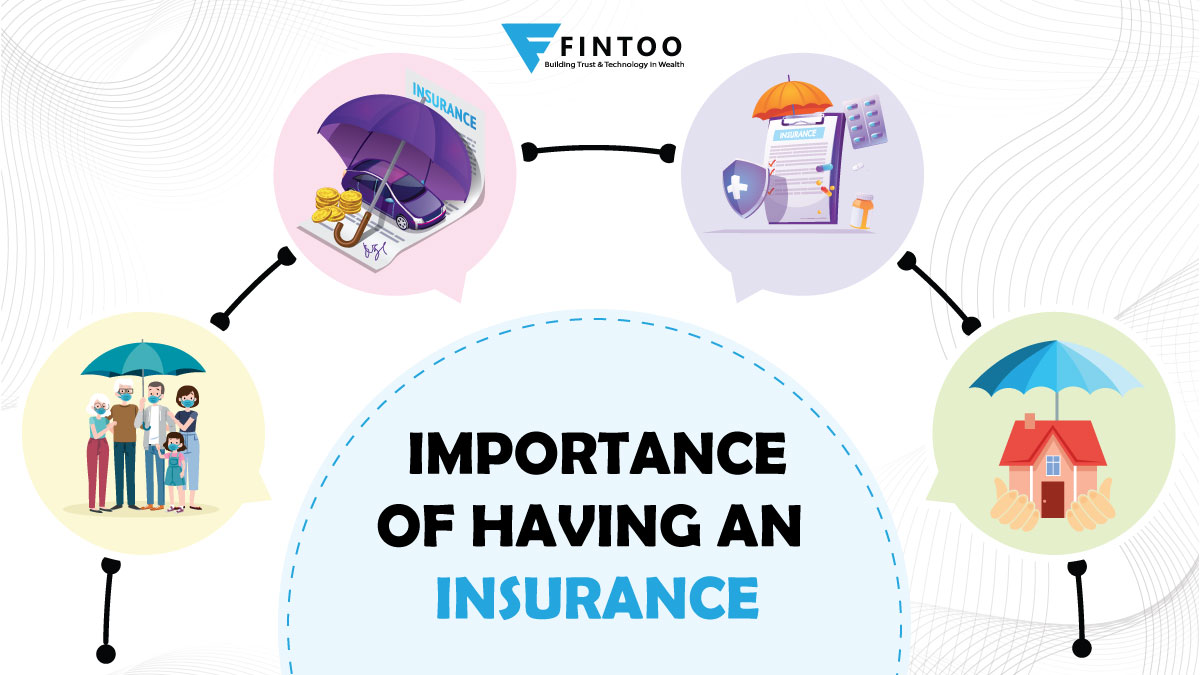
Types of Common Insurance
Different situations require different types of protection.
>Health Insurance
Medical expenses can add up quickly.
Depending on your policy, health insurance helps cover the costs of covered medical treatments, hospital stays, surgeries, and other healthcare expenses.
Many modern plans also offer preventive care and other health benefits.
>Life Insurance
Life insurance is meant to help protect your family financially when you are no longer here.
It can help with:
>Daily expenditures
>Kids education
>Future financial targets
For many families, it’s less about money and more about peace of mind.”
Car Insurance
Even the most careful drivers cannot control all situations on the road.
Auto insurance can cover:
>Car repair
>Damage to other cars
>Injury liability
>Theft or natural disasters (coverage varies)
>Homeowners Insurance
Your home is likely to be one of your biggest investments.
Home insurance can help protect your property and possessions against covered events like fire, storms or theft.
“Complicated” Insurance Terms (That Aren’t)
It is the terminology that puts a lot of people off insurance.
Here’s a simple explanation.
>Premium Subscription
That’s what you pay to keep your insurance going.
Could be monthly, could be quarterly, could be yearly.
>Coverage
Coverage refers to what your insurance policy actually covers.
Not every event is covered, so your policy reading is important.
>Statement
A claim, the request you make when something covered happens and you want the insurer to pay as provided by the policy.
>Excess
This is what you pay yourself before your insurance starts picking up eligible costs.
It is so much easier to compare policies when you know the basics.
Common Mistakes First Time Buyers Make
When you’re buying insurance it is not all about the cheapest premium.
Common errors are:
>Disregarding policy exclusions
>Selecting inadequate coverage
>Not comparing with other insurers
>Cutting down waiting times
>Failure to review the policy after major life events
A cheap policy might not always be a good policy if it doesn’t give you the protection you really need.
Selecting the Appropriate Insurance
You don’t have to be an expert.
Ask yourself a few simple questions to start.
>What am I trying to save?
>Which financial risks would hurt me most?
>What kind of coverage would actually be useful?
>“Can I comfortably afford the premium?
Then compare policies on more than just price.
See:
>Coverage information
>Claim settlement history
>Network hospitals (for health insurance)
>Customer Services
>Exclusions and waiting periods
A little time spent before you buy will save you from disappointment later.

Insurance Is Not Just For Rich People
Myth:
“This is one of the biggest myths.
People without large emergency savings tend to find insurance more valuable.
Without the financial protection you need, one unforeseen expense can cost you years.
Insurance mitigates that risk.”
Review Your Policies Often
Life changes .
You may have:
>Married
>Bought a house
>Had Children
>Switched jobs
>Starting a Business
Your insurance should evolve with your life.
It’s a good idea to review your policies annually to make sure your coverage still meets your needs today.
Final Thoughts
Insurance doesn’t stop bad stuff from happening.
It makes those hard times a little easier financially.
Nobody really appreciates insurance when things are going well. They like unpredictability in life.
Taking the time to understand your options now can save you the need to make quick decisions tomorrow.
It’s not about buying every policy available. It’s about buying the protection that suits your life, your responsibilities and your future. Insurance, when chosen well, is more than paperwork. This becomes part of a sound financial plan that helps you get through life with more confidence.