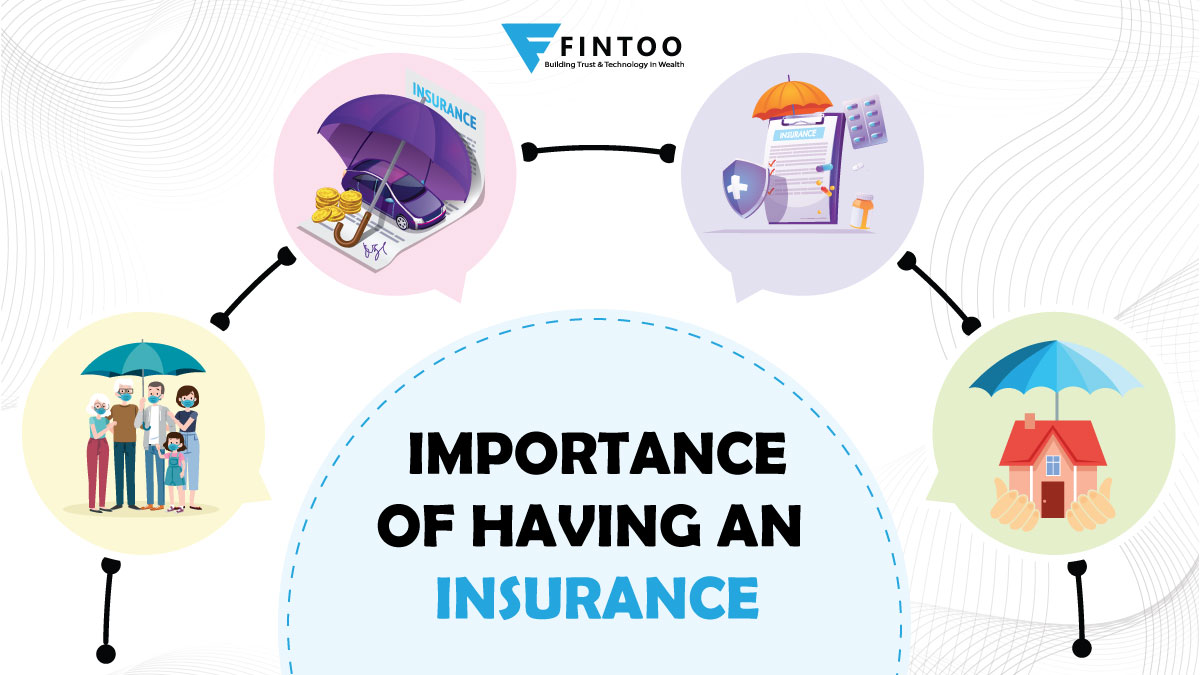


Most people aren’t excited about buying insurance.
For many, it’s on the same list as doing taxes or reading the fine print on a contract — important but easy to postpone. The trouble is that life doesn’t usually wait until we are ready. Medical emergencies, road accidents or damage to your home can occur at any time.
That’s why having the right insurance is more than just a tick-box exercise. It’s about protecting you and those who depend on you when things don’t go according to plan.
The good news? You don’t have to be an insurance expert to make a smart choice.
Start Asking Yourself A Single Question
Instead of trying to read dozens of insurance policies, start with your own life.
Consider this:
-What am I trying to safeguard?
-Who comes to me for money?
-What unexpected expense would be the hardest for me to pay?
Your answers will help you determine what type of insurance should be your first priority.
Some people make health insurance the priority. Others may need life insurance because they have a family that depends on their income. If you drive regularly or own a home, you may need additional coverage.
Insurance should be about your life, not somebody else’s.
Don’t Buy Insurance Because Someone Told You To
A frequent statement by friends or relatives is as follows: “This is the policy I have.
That doesn’t necessarily mean it’s the one for you.
“People have different financial situations, responsibilities and goals. One person’s perfect policy may be too much – or not enough – for someone else.
Use the recommendations as a starting point, but always compare policies yourself.
Know What You’re Really Paying For
One of the biggest mistakes people make is looking only at the monthly premium.
A lower premium can be attractive, but it can also mean:
-Less coverage
-Larger Deductibles
-Further exclusions
-Claim lower limits
Instead of asking, “What is the cheapest policy?”
Ask, ‘What am I getting for the money I am paying?’
Sometimes it pays to pay a little more today to save thousands later.
Know the terms that matter
Insurance documents are full of words you might not know, but there are just a few basics you need to understand.
>Premium
The amount you pay to keep your coverage in force.
>Reporting
What situations or expenses your policy will pay for.
>Exemption
The amount you pay before the insurer pays eligible expenses.
>Claimed
A request you submit when you need financial help following a covered event.
Once you know these terms it is much easier to compare policies.
Comparing More Than Just Price
Imagine purchasing a smartphone based solely on its price tag.
You’d probably also look at battery, camera, storage and performance.
Insurance should be no different.
Consider factors such as:
-Limits of Coverage
-Claim settlement procedure
-Reviews from customers
-Network hospitals or repair partners
-Waiting period
-Policy exclusions
A little research today can save a lot of frustration down the line.
Look to your future, not just today
Many buy insurance solely on what is going on in their lives at that time.
But then life goes on.
You may:
-Get kids
-Buy a house
-Get started in business
-Switch careers
You’ll need different insurance coverage.
Selecting a policy that grows along with your shifting responsibilities can save you time and hassle down the line.
Read the small print
Nobody likes to read policy documents.
But spending 15 or 20 minutes going over the key details can save you from nasty surprises down the road.
Pay special attention to:
-What is included
-What’s not included
-Waiting times
-Conditions for renewal
-Claim processes
Much better to know these things before you buy, than to find them out in an emergency.
Don’t Buy More Than You Need
Insurance should be a protection, not a needless expense.”
Buying every add-on that is available just because it is offered is not always the best idea.
Instead, concentrate on the risks that are truly pertinent to how you live.
So, for example:
-A frequent traveler might need travel insurance.
-Homeowners may benefit from property coverage.
-A person who has a family to support might focus more on life insurance.
The aim is to align your insurance with your actual needs.
Review your insurance every few years.
Think of insurance as not a one-time event.
As your income, family and responsibilities grow, your coverage should grow too.
Review your policies when major life changes occur, including:
-Marriage.
-A new baby
-Purchasing a property
-Starting a business
-Big debts paid
Regular reviews will help ensure that your protection remains relevant.

Common mistakes to avoid
Don’t make these common mistakes when purchasing any insurance policy:
-Looking for the lowest price without comparing the benefits
-Overlooking exclusions
-Don’t underestimate how much coverage you need
-Failing to update your policy after major life changes
-Purchase without knowing how to make a claim
These mistakes can save both money and stress.
Last thoughts
Choosing insurance doesn’t have to be stressful or confusing.
It is not always the most expensive or the one with the longest list of features that is the best policy. It’s the one that matches your life, your financial goals and the people you want to protect.
Take your time to consider your options and don’t make a hasty decision. Insurance is something you hope you’ll never need, but when the unthinkable happens, you’ll be glad you made the right choice.
The right insurance isn’t about bracing for the worst. It’s about giving yourself the confidence to deal with what’s next.