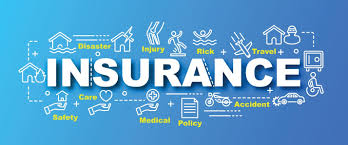

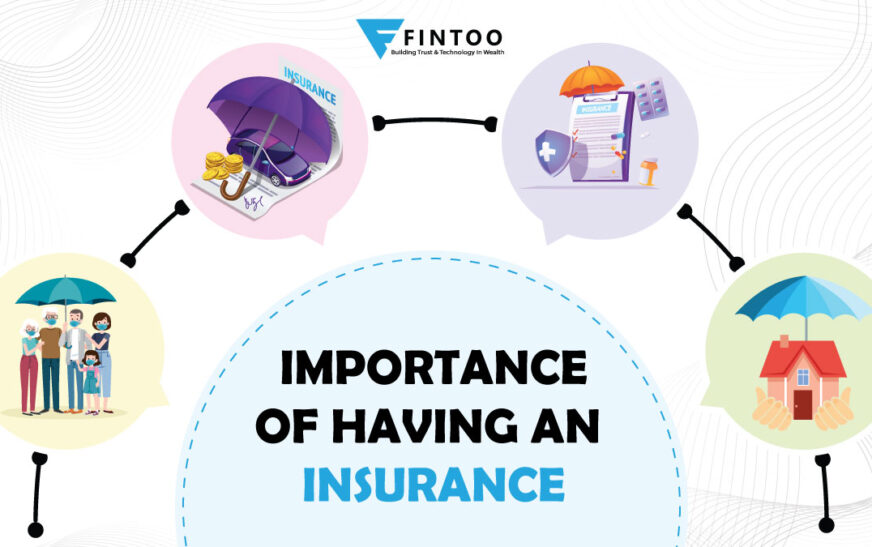
Insurance is one of those financial decisions that goes very little thought when things are going well. The premiums are paid. The policy papers are filed. Life goes on. Sometimes it happens that after an unexpected event, a person must recognise the importance of a particular decision.
A work accident, a hospitalization, a damaged car or a house hit by heavy rains can quickly put a strain on your finances. These things do happen. They may not be preventable, but the right insurance can help cushion the blow.
The power of insurance lies in the fact that it lets people get back on their feet without risking years of financial progress.
Insurance is a vital part of any financial planning
The most frequent use of the term “financial planning” is to refer to the act of earning, saving and investing. All of these are important, but protecting them is equally important.
Unexpected expenses happen to everybody. They just come out of nowhere. Medical expenses, repair expenses, legal liabilities or damage to valuable assets can throw the most carefully planned budget out of gear.
Insurances help remove a big part of these costs so that the savings and investments can be used for their intended purpose instead of being channeled to deal with emergencies.
So financial professionals often view insurance as the protection of everything else in a financial plan.
Advantages of insurance
A good insurance policy offers advantages besides just paying you back after a claim. It offers financial support, stability and security in troubled times.
>Helps protect savings
Building up savings requires consistent effort, discipline and time.
Such savings can be wiped out quickly by an unexpected expense much faster than most people expect. Insurance provides coverage for eligible expenses, so you don’t have to dip into your emergency fund or investment portfolio.
>Reduces financial stress
Emergencies are stressful enough. At the same time, the stress is multiplied by the need to coordinate money.
Insurance offers financial help during the most difficult times, so families can focus on healing instead of worrying about immediate costs.
>Better financial planning
Insurance is a team effort. It involves investments and savings.
It does not replace them . It protects them from unexpected financial disasters . This equilibrium ensures that long-term objectives can continue to exist even when things get tough.
>Protects valuable assets
Years of investment into self possessions, businesses, vehicles and homes.
Insurance can help cushion the financial blow of major losses by covering the repair or replacement of these assets following theft, fire, accidents or natural disaster.
Types of Insurance and What They Are For
Each insurance policy has different objectives. Understanding these differences makes it easier to choose the right coverage.
>Health insurance
With healthcare costs continuing to rise each year, health insurance is one of the most important types of financial protection.
A good health insurance policy can help you reduce out-of-the-pocket expenses by covering the expenses incurred in hospitalization, surgeries, emergency care, diagnostic tests, and prescribed treatments.
>Insurance Life
When you die, life insurance pays money to people who depend on you.
It can help families cover their household expenses, repay loans, educate their children and stay financially resilient during difficult times.
>Auto insurance
A car is a financial obligation.
Accidents, theft, natural disasters and third-party liabilities are covered by motor insurance. It also obeys the law in many ways.
>Homeowners insurance
The biggest financial investment most families make is their home.
Home insurance protects your property and belongings from damage caused by fire, storms, theft, flooding, and other covered events (depending on your policy).
>Travel & Insurance
Traveling is not always a smooth experience.
By having travel insurance you have less risk of any unforeseen travel costs, and that you can also get financial help in the event of a medical emergency, trip cancellation, delayed flights, and lost luggage.
>Business Insurance
Hazards can affect a business’s finances, operations and reputation.
Business insurance covers property damage, employee claims, legal liabilities, cyber incidents and operational interruptions.
Debunking Insurance Myths
There are many misconceptions that can prevent people from making an informed decision.
It is a common misconception that insurance is only needed after a certain age.
The truth is, the earlier you buy insurance, the better the coverage, the lower the premiums, and the fewer the restrictions.
Another misconception is that all insurance policies provide the same level of protection.
The cover, exclusions, claim conditions, waiting periods and benefits of policies will differ greatly. It is important that you read the policy carefully before you buy.
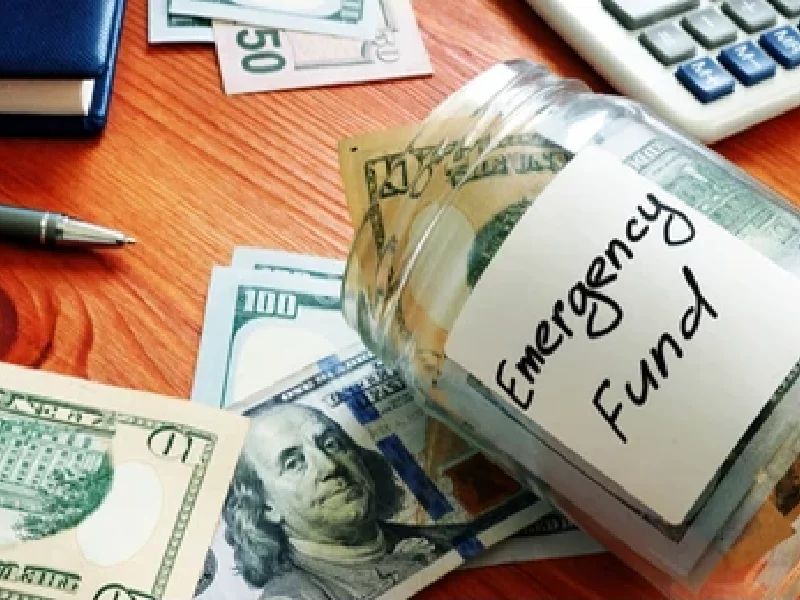
And then there are those who say that emergency savings are enough insurance.
Insurance and savings serve different purposes. Insurance guards against unforeseen losses that could be more than your savings. Savings are important in reaching goals and mitigating the impact of anticipated expenses.”
Some Good Advice For Buying Insurance
Price should not be the only thing to be considered when it comes to buying an insurance policy.
Before you make a decision there are a few important things to consider.
>Review existing financial commitments.
>Compare coverage vs premium costs.
>Please refer to policy exclusions and waiting periods.
>Check the claim settlement record.
>Check the renewal terms of the policy.
>When you decide how much coverage to purchase, consider future financial obligations.
A thorough comparison of policies often yields better overall long-term coverage.

When is the right time to review insurance?
Insurance isn’t something you buy once and never have to worry about again.
Life changes and insurance should change with it.
It is recommended to assess coverage after things such as:
>Marriage.
>Buying a house.
>Creation of an enterprise
>Childbearing.
>Bigger pay rises.
>Retirement planning
Review your insurance regularly to ensure it still gives you the right level of financial protection.
Concluding remarks
Insurance is considered a cost because it is not considered immediately valuable. It is not like savings or investments, where you start noticing the benefits after an unexpected incident occurs.
That doesn’t make it any less important. Indeed, it highlights the importance of insurance as part of a sound financial plan.
Careful budgeting is not enough to protect income, savings, property and long term financial goals. And it also implies being ready for things that are not always foreseeable.
With the right kind of insurance in place, people and families get the kind of foresight they need to recover from financial setbacks and stay on track with their plans for the future.