
Trading involves buying and selling financial assets with the aim of benefiting from changes in their market prices. Traders can trade stocks, bonds, currencies, commodities, derivatives, cryptocurrencies, and other financial products depending on the market.
Trading often focuses on shorter-term price movements rather than long-term investment goals. This can create opportunities, but it also exposes traders to market fluctuations and potential losses. All investments involve risk, and higher potential returns generally come with higher levels of risk.
What Is Trading?
Trading is the process of buying and selling financial instruments through financial markets.
Common markets include:
- Stock markets
- Foreign exchange markets
- Commodity markets
- Bond markets
- Cryptocurrency markets
- Derivatives markets
Each market has different rules, costs, liquidity levels, trading hours, and risks.
Common Trading Strategies
Trading strategies can differ based on how long a position is held and how market movements are analyzed.
Day Trading
Day trading involves buying and selling financial assets within the same trading day. Traders generally attempt to benefit from short-term price movements.
Because prices can change quickly, day trading can involve significant risk and requires careful risk management.
Swing Trading
Swing trading generally involves holding a position for several days or weeks while attempting to benefit from larger price movements.
Position Trading
Position trading involves holding positions for a longer period while focusing more on broader market trends than short-term price changes.
Risk Management in Trading
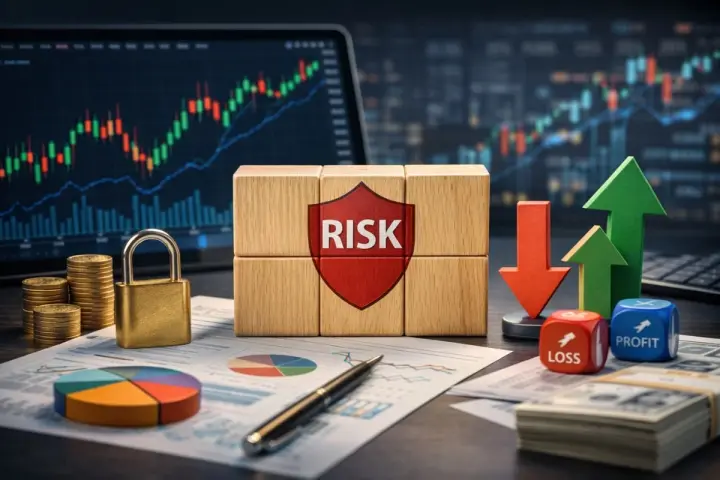
Trading involves the possibility of losing money. Markets can move unexpectedly, making risk management an important part of any trading approach.
Important considerations include:
- Understanding the amount of capital at risk
- Setting clear trading goals
- Considering potential losses before entering a position
- Understanding fees and transaction costs
- Using leverage carefully
- Checking the liquidity of an asset
Diversification can help spread exposure across different investments, although it cannot eliminate the possibility of losses.
Understanding Trading Costs
Trading costs involve more than the buying and selling price of an asset.
Potential costs can include:
- Commissions
- Bid-ask spreads
- Brokerage fees
- Margin or financing costs
- Exchange fees
- Applicable taxes
Frequent trading can increase these costs and reduce overall returns, particularly when individual trades generate only small gains.
Trading With Leverage
Leverage allows traders to use borrowed funds to increase the size of a trading position.
Although leverage can increase potential profits, it can also increase potential losses. In some circumstances, losses can exceed the original amount invested.
Understanding the rules, fees, margin requirements, and risks associated with leverage is important before using it.
Trading vs. Investing
Trading and investing generally have different objectives and time horizons.
Long-term investing usually focuses on building wealth over an extended period, while trading often focuses on shorter-term market movements.
The appropriate approach depends on factors such as:
- Financial goals
- Risk tolerance
- Investment time horizon
- Available capital
- Personal circumstances
What to Consider Before Trading
Before entering a trade, it is important to understand the financial instrument, current market conditions, fees, liquidity, and potential risks.
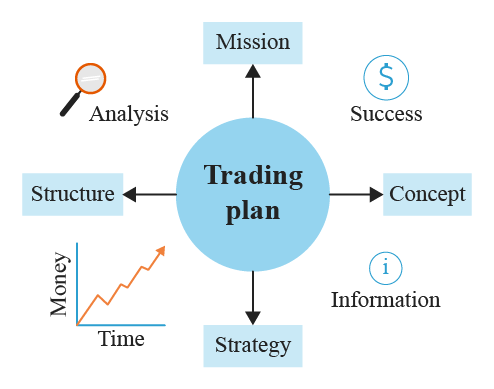
A clear trading plan can also help reduce emotional decision-making. Regularly reviewing trading activity can help determine whether a strategy remains suitable for the intended level of risk.
Conclusion
Trading provides opportunities across many financial markets, but it is not a guaranteed way to make money. Prices can change quickly and may be difficult to predict, while frequent trading and excessive leverage can significantly increase risk.
Understanding the market, managing risk, controlling trading costs, and choosing an approach that matches financial goals and risk tolerance are important foundations for responsible trading.