
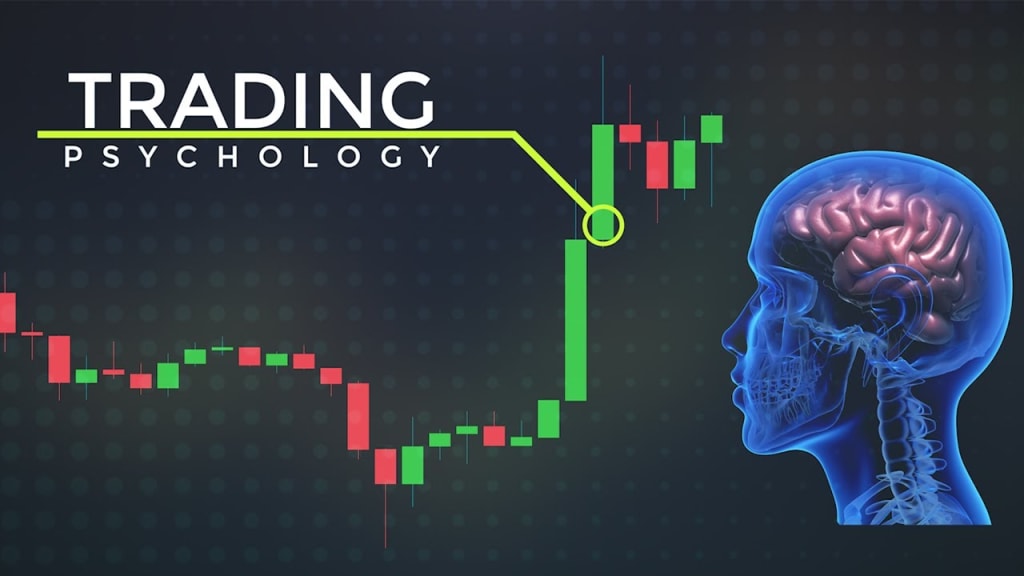
Trading is often viewed as a game of numbers, charts, and market analysis. Many beginners spend hours learning technical indicators, studying price patterns, and searching for profitable strategies. While these skills are important, there is another factor that plays a major role in trading performance: psychology.
A trader’s mindset can determine whether they follow their strategy or make emotional decisions. Even a well-designed trading plan can fail if fear, greed, impatience, or overconfidence influence decision-making.
Successful traders understand that controlling emotions is just as important as understanding market movements. Developing the right mindset helps traders remain disciplined, manage risks, and make better decisions in uncertain situations.
The Connection Between Trading and Human Emotions
Financial markets are driven by people, and people naturally experience emotions. When prices rise, investors may feel excitement and confidence. When markets fall, fear and uncertainty can take control.
These emotions influence buying and selling decisions, which can create market movements.
For individual traders, emotions can become a major challenge. A trader may enter a position because they are afraid of missing an opportunity or exit too quickly because they are worried about losing money.
Understanding emotional behavior is the first step toward improving trading decisions.
The Impact of Fear in Trading
Fear is one of the most common emotions traders experience. It can affect decisions in several ways.
Some traders avoid entering good opportunities because they are afraid of making mistakes. Others panic during market declines and sell positions too quickly without considering their original strategy.
Fear often becomes stronger after experiencing losses. A trader who loses money may become hesitant and miss future opportunities because they are focused on avoiding another loss.
However, losses are a normal part of trading. A professional trader understands that not every trade will be successful and focuses on managing risk rather than avoiding all losses.
How Greed Can Affect Trading Decisions
Greed can be just as damaging as fear. When traders experience profits, they may become overconfident and start taking unnecessary risks.
For example, a trader who earns profits from several successful trades may increase their position size without proper analysis. This can lead to significant losses if the market suddenly changes.
Greed can also cause traders to hold onto positions for too long, hoping for even bigger profits. Sometimes, refusing to take reasonable profits can result in losing gains when prices reverse.
Maintaining realistic expectations helps traders avoid decisions based on excessive confidence.
The Problem of Revenge Trading
Revenge trading occurs when a trader tries to recover losses quickly by making emotional decisions.
After experiencing a losing trade, some traders feel frustrated and immediately enter another trade without proper analysis. They may increase their risk because they want to recover the lost money as soon as possible.
This behavior often leads to even larger losses because decisions are driven by emotion rather than strategy.
Professional traders accept losses as part of the process and avoid allowing one bad trade to influence future decisions.
Developing Patience as a Trader
Patience is one of the most valuable qualities a trader can develop.
Many beginners believe they need to trade constantly to succeed. However, successful trading often involves waiting for the right opportunities rather than forcing trades.
Markets do not always provide ideal conditions. Sometimes the best decision is to stay out of the market until a suitable opportunity appears.
Patience also helps traders avoid chasing price movements. Entering a trade after a major price increase because of excitement can often lead to poor results.
The Importance of Following a Trading Plan
A trading plan provides structure and helps traders make decisions based on rules rather than emotions.
Without a plan, traders may change strategies frequently, enter trades randomly, or take excessive risks.
A trading plan usually includes:
- Entry conditions
- Exit rules
- Risk limits
- Preferred trading methods
- Goals and expectations
Following a plan does not guarantee profits, but it creates consistency and reduces emotional decision-making.
Building Confidence Through Preparation
Confidence is important in trading, but it should come from preparation rather than overconfidence.
A trader who understands their strategy, studies market conditions, and manages risk properly is more likely to make calm decisions.
Confidence built on knowledge allows traders to handle both winning and losing periods without extreme emotional reactions.
Practicing strategies, reviewing past trades, and continuing education can help improve confidence over time.
Learning From Losses Instead of Fearing Them
Losses provide valuable information for traders who are willing to learn from them.
A losing trade does not always mean a strategy is bad. Sometimes markets behave unexpectedly, or conditions change.
Successful traders review their losses to understand what happened. They analyze whether the mistake came from poor analysis, emotional decisions, or incorrect risk management.
This process helps traders improve and avoid repeating the same mistakes.
Creating a Healthy Trading Routine
A consistent routine can help traders maintain focus and discipline.
A healthy trading routine may include:
- Reviewing market conditions before trading
- Creating a daily trading plan
- Avoiding impulsive decisions
- Taking breaks when emotions become strong
- Reviewing completed trades
Trading requires mental energy, and maintaining balance helps traders make clearer decisions.
The Difference Between Professional and Emotional Traders
The biggest difference between professional traders and emotional traders is often discipline.
Professional traders do not avoid emotions completely. Instead, they understand their emotions and prevent them from controlling decisions.
They accept uncertainty, follow their strategies, and focus on long-term improvement.
Emotional traders often react to market movements without a clear plan, which can lead to inconsistent results.
Final Thoughts
Trading psychology is one of the most important aspects of becoming a successful trader. Knowledge of markets and strategies is valuable, but the ability to control emotions often determines long-term performance.
Fear, greed, impatience, and overconfidence can affect even experienced traders. Developing discipline, patience, and emotional awareness helps traders make better decisions.
Trading is not only a test of market knowledge; it is also a test of mindset. By improving psychological skills and maintaining a structured approach, traders can increase their ability to handle challenges and build stronger trading habits over time.