
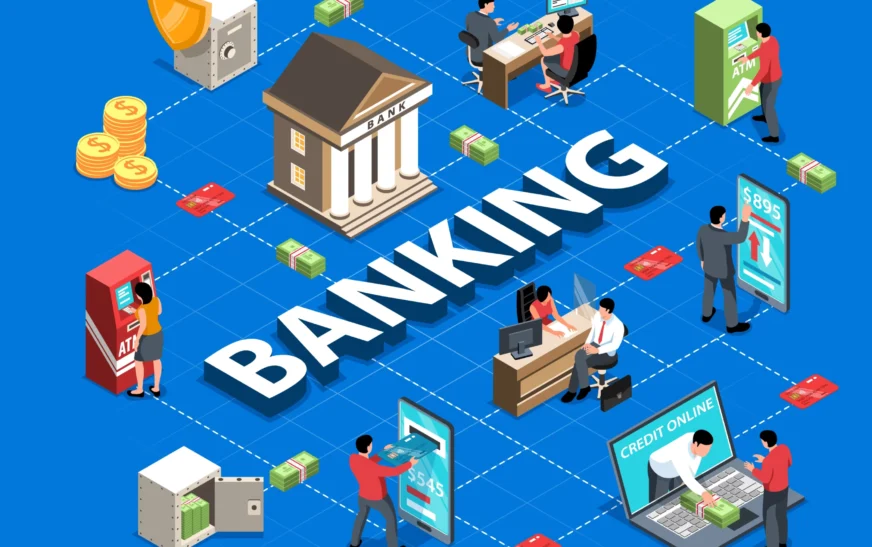
The average person wants three things from their bank, that their money is safe, that their transactions are processed and that they can access loans when they need them. Those expectations are reasonable, but in reality, modern banking is so much more than those expectations. Having a good relationship with your bank can influence how you spend, help you be more financially disciplined, make major life decisions easier and open up opportunities you may not otherwise have.
Many financial problems don’t start with a lack of money, contrary to popular belief. It begins with poor money management, bank fees that go unnoticed, missed payments or a lack of solid financial planning. That’s where the unsung importance of banking comes in. It provides you the framework to manage your money with more confidence and less surprises.
Banking Is More Than Just a Place To Hide Money
In the old days you had to stand in long queues in a bank to deposit cash or change a passbook. That was then.
Today, banking plays a part in nearly every aspect of personal and business finance. Salaries are credited directly into accounts, bills are paid online, investments are linked to banking apps and loans can often be sanctioned without visiting a branch.
This convenience has made banking a part of our day to day lives. The more important changes are that financial management is now much faster, safer and much better organised than it was a decade ago.
Why Banking Still Matters In Financial Planning
Being financially secure is more than just making money. But also managing that money well.
A managed bank account gives a clear trail of income, expenses, savings and repayments. As time goes on, this financial history can be beneficial when you are looking for loans, renting property, starting a business or making large investments .
There are also financial products that promote financial discipline for various goals. Recurring deposits, fixed deposits, savings accounts and automatic transfers make it convenient for people to develop a regular habit of savings without making it too complicated.
Large investments are sometimes less likely to add up than small financial choices.
Advantages of following sound banking practices
Good banking habits are not acquired overnight but the good that comes with them is more visible with time.
More control of the money
Regularly reviewing your account history can help you identify spending patterns, recurring charges and frivolous charges.
This simple habit will make budgeting much easier and will often highlight areas where your money can be managed more efficiently.
More immediate access to financial services
A few things banks consider before approving financial products.
A good history with your bank, consistent activity on your account and timely repayments can enhance your access to services such as personal loans, home loans, car finance and business credit.
Usually one application does not speak louder than a good banking history.
More Financial Security
Today’s banking system has many layers of protection.
Features like secure login methods, transaction alerts, fraud monitoring, biometric verification and two-factor authentication are among the measures taken to reduce the risk of unauthorized transactions. There is no such thing as a risk free system but these go a long way to make things more secure financially.
Easier financial planning
One banking system to manage your savings, investments, insurance premiums, utilities and loan repayments gives you greater financial clarity.
Automated banking services help you avoid missed payments and unnecessary penalties by eliminating the need to manually track multiple dates.
Common Mistakes in Everyday Banking That Are Often Missed
Financial problems don’t always begin with a major emergency. Sometimes they start with small mistakes that get perpetuated over time.
Some of the most common are:
>Not getting monthly account statements.
>Only paying the minimum balance on credit cards.
>No EMI or loan repayment dates.
>Lack of awareness about the maintenance charges on dormant accounts.
>Sharing banking credentials or OTPs to Third parties.
>Weak passwords in banking web.
>Taking out multiple loans regardless of ability to repay.
While each of these errors may seem small, they can add up to affect financial stability and even to limit future borrowing opportunities.
How digital banking has changed how we handle our money every day
Banking has changed thanks to technology in ways we could never have dreamed of just a few years ago.
Today you can transfer money, pay utility bills, open fixed deposits, apply for loans and track investments within minutes using a smart phone.
Digital banking has made payroll management, vendor payments, tax transactions and monitoring of cash flow easy for the business.
But convenience ought always to be attended with caution. You still want to change your passwords regularly, use secure internet connections and closely watch your account activity.
How to Choose the Right Bank Besides the Interest Rates
Interest rates get all the attention, but they are only one part of the decision.
Also, a good bank should offer:
>Clear fees and charges;
>Responsive customer support .
>Strong digital banking services.
>Wide ATM and branch reach
>Security Features of Online Banking.
>A good record in dealing with customer issues.
>Financial products for long-term needs.
A banking relationship can last many years, so the quality of service is as important as competitive interest rates.
Bank and Credit History are Inseparable
It’s hard to imagine modern financial life without a credit history.
Lenders will normally look at your past financial behaviour before deciding when applying for a home loan, vehicle finance or a business loan.
Paying on time, using your credit card judiciously and banking consistently helps to build a healthier credit profile. But missed payments and unnecessary borrowing can affect borrowing capacity for years.
Good banking habits can lead to better financial opportunities in the future.
Little banking decisions can make a big difference.
Big money decisions aren’t usually the only factor to success.
More often it is the result of hundreds of small choices over time.
It may seem like common sense to keep track of your account balances, review your transactions regularly, pay your bills on time, not take on more debt than you can afford to pay, and save some money. Together, however, these practices improve financial stability and reduce risks that might otherwise have occurred.
And banking is no exception. Generally, you are better off to be consistent, rather than to make sporadic financial adjustments.
Conclusion
Banking is now one of the key components of contemporary financial management. It’s more than just processing transactions and protecting your money. It helps you save, borrow, invest and plan for the long term.”
The value of a good banking relationship is not only realized during the routine transactions. This is especially true when it comes to major life decisions, unexpected money problems, and opportunities that require you to have quick access to money resources.
Good banking habits, financially smart choices, and choosing services that fit your long-term goals can lead to greater financial stability over time. As banking continues to evolve with technology and innovation, one thing remains constant — good financial management almost always begins with a good banking foundation.