

The Emergency Fund You Never Knew You Needed
Nobody budgets for unbudgeted expenses.
Car services. Medical services bill. Out of work. Equipment broken.
These situations usually come out of the blue and the first question when they do usually is the same.
“Where are we going to get the money?”
Which is why an emergency fund is one of the most valuable financial tools a person can have.
An emergency fund may not be as exciting as investing in stocks or getting a credit card reward, but it can give you something that so many people don’t realize they need until they really need it: peace of mind.
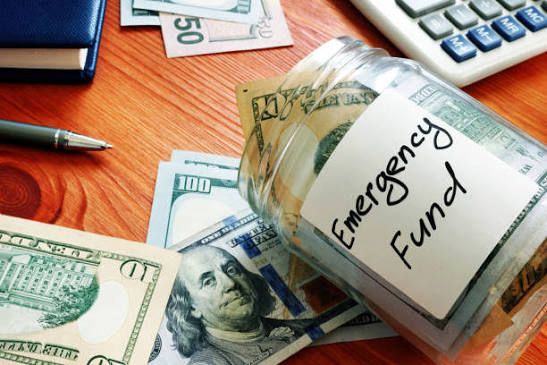
Emergency Fund
An emergency fund is a savings account that you set aside specifically for unexpected expenses. The purpose of this fund is to cover sudden, unplanned costs that you cannot afford to pay for using your regular monthly budget.
An emergeny fund is a savings account that you set aside for unexpected bills or financial emergencies.
This is not holiday money, money for a new shiny toy or a big splurge. It’s there to protect you financially when things go wrong.
An emergency fund is usually used to:
- Emergencies medical
- Getting fired
- Repair of vehicles
- House Rebuilding
- Unforeseen travel expenses
- Family emergency
The idea is to have the money when you need it most.
Why You Should Have an Emergency Fund
Everyone has a breakdown of their money.
Many people don’t have savings and will get a loan or use a credit card to cover their immediate expenses. They might bring some short term relief but could also add to financial strain.
The emergency fund is the backstop.
There is no need for us to be concerned about the origin of the funds. We’re in good financial shape. We already have a buffer.
Such confidence can save your bacon.
Perks of Having an Emergency Fund
Financial Security
Another huge advantage is that you won’t have to worry about any nasty surprise costs coming out of your day to day budget immediately.
Emergency savings can soften a financial blow.
Less Debt Reliance
A lot of people turn to their credit cards or personal loans in an emergency.
Emergency savings means you won’t need to go into debt and pay interest later.
Less Financial Problems
Millions of people are concerned about their money.
A rainy day fund is nice for peace of mind in uncertain times.
Taking Financial Decisions
When people are short of money they can make bad financial decisions.
It allows you to be more intentional about the choices you make in difficult times.
Protecting Long-Term Goals
Without an emergency fund, it is common for people to tap into investments or savings for other things.
Saving up for emergencies can save your long-terms plans.
What Do I Got?
There is no one-size-fits-all answer.
A good rule of thumb is to keep enough money to cover your basic expenses for a few months.
Depends on how much:
- Monthly rate
- Family size
- Job security
- Unpaid financial obligations
- Sources of revenue
Doesn’t matter if it’s a little bit. The point is to get started.
Build an Emergency Fund
Building an emergency fund can seem a little daunting but it’s the little things that add up.
Step 1: Decide How Much You Want to Save
Keep something close to hand.
They are realistic and will inspire you to continue and continue to save.
Step 2: Establish a Budget
Knowing what you make and what you spend each month makes it easier to see where you can cut back.
Small changes add up to emergency savings.
Step 3: Save Frequently
It’s not the size of the deposits, it’s the regularity.
But if you put in regularly it can build up to be a nice financial cushion over the long term.
Step 4: Split the Money
You want your emergency fund to be separate from your regular spending accounts but also readily accessible.
Makes it less tempting to blow the cash on non essentials.
Step 5: Use If All Else Fails
Don’t touch your emergency fund unless there’s a real financial emergency.
Not for making purchases.
Things To Avoid
Many start saving, but hit barriers.
Common mistakes include:
- Not saving enough, frequently enough
- Use of the fund for any non-emergency uses
- Setting unrealistic savings goals
- Minor contributions removed
- No Money for Emergencies
By avoiding these pitfalls, building your emergency fund can be that much easier.

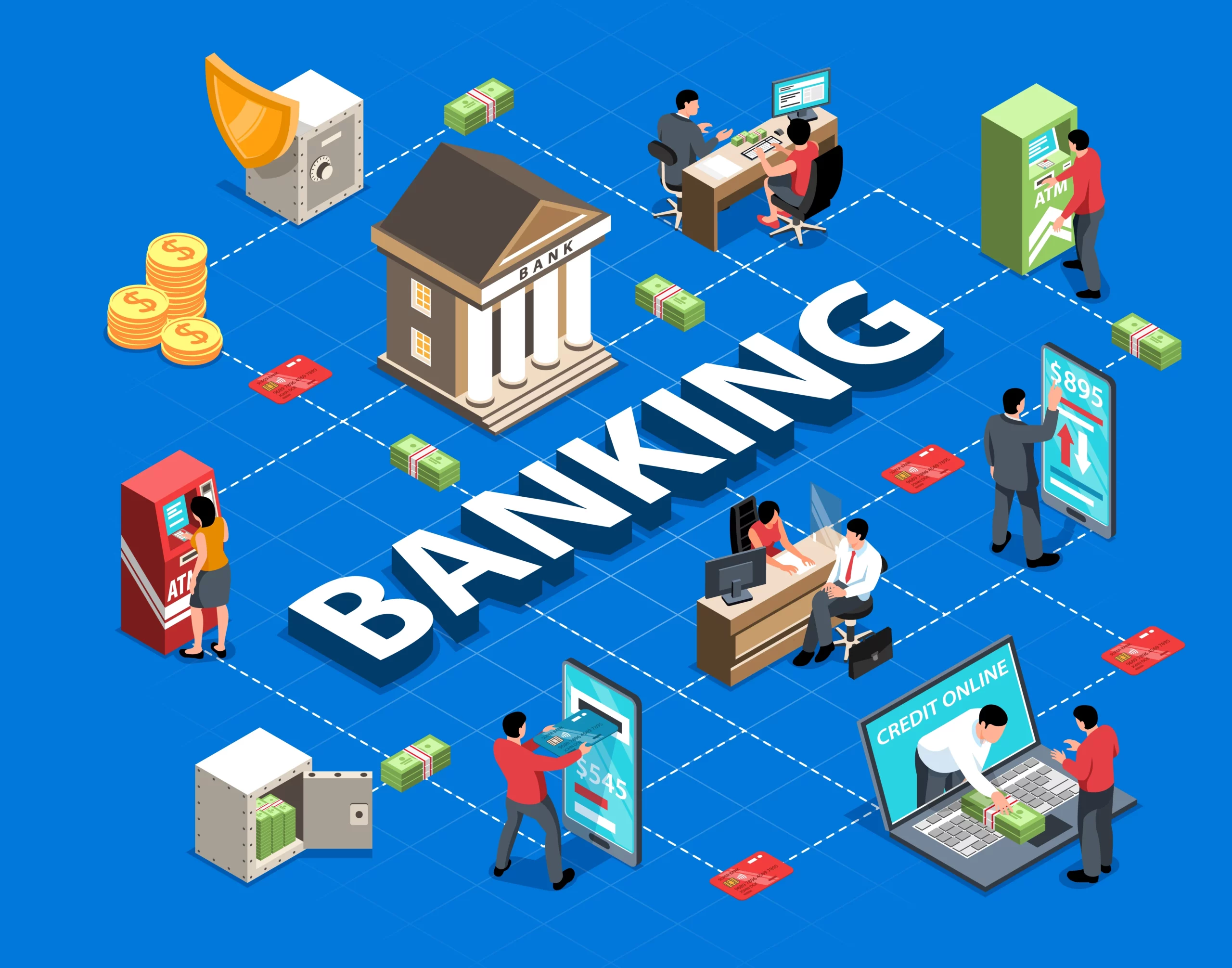
Today’s Banking, Savings, and Emergencies
Banks and other financial institutions offer savings products to help you meet your goals for an emergency fund.
Automatic transfers, online savings accounts and mobile banking make building and tracking your emergency savings easier than ever.
Technology makes it easier but the principle is the same: be ready before an emergency.
Wrapping Up
The emergency fund isn’t the most exciting financial move, but it’s one of the strongest pillars of financial stability.
Life happens. Keeping a little cash on hand for those little emergencies can help relieve stress, prevent unnecessary debt and protect your long-term financial goals.
You don’t have to be swimming in money or have your financial house in complete order to start an emergency fund. It begins with the desire to plan for the unknown and the discipline to save consistently over time.
An emergency fund is a life-saver for those unexpected expenses.