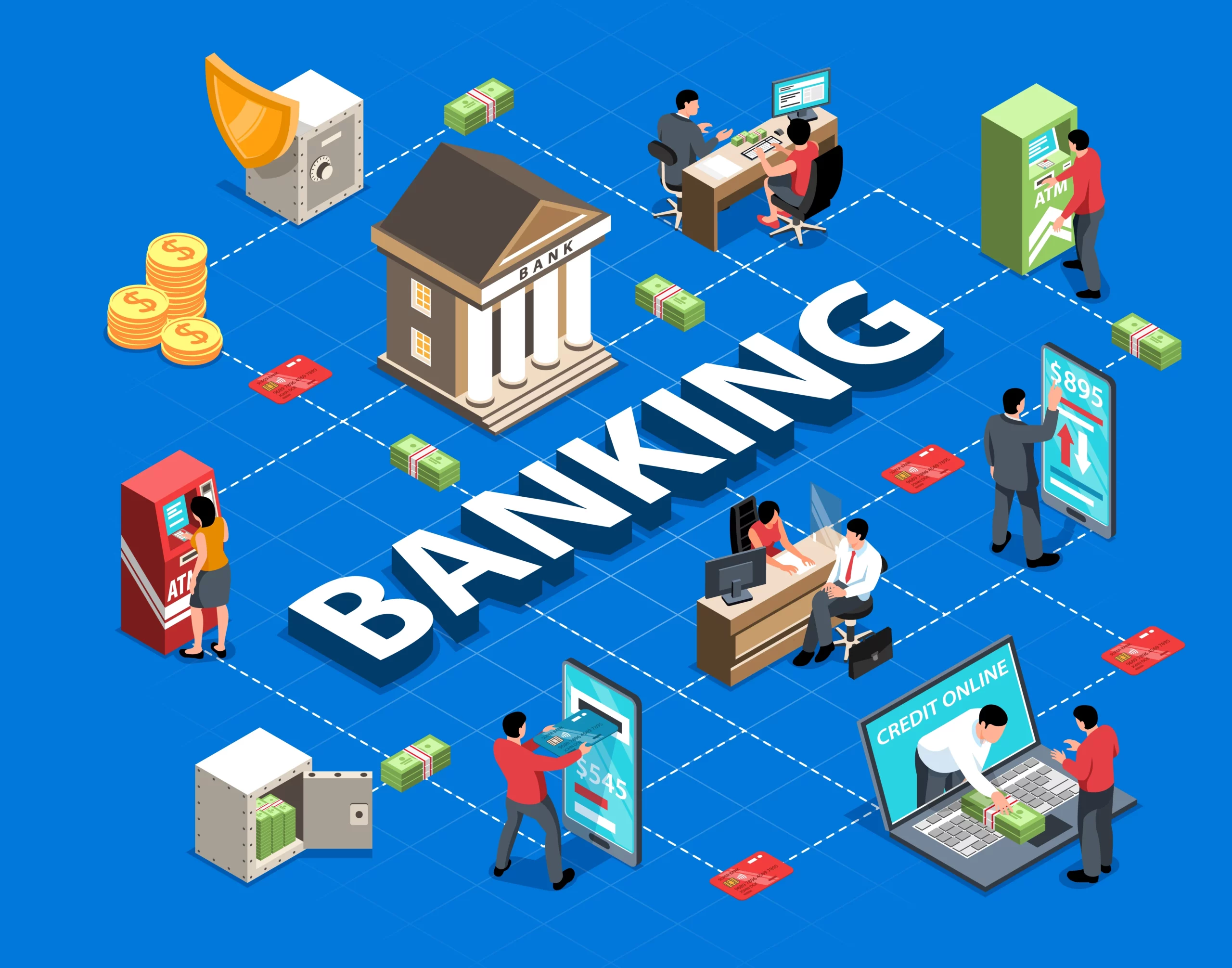


Bank accounts make it easier to manage money on a daily basis. Salary can be received, bills can be paid, money can be transferred and savings can be kept in one place.
But banking services are not always completely free.
Depending on the type of account and services used, certain transactions, account services and additional facilities may involve charges. Each fee may seem small on its own, but repeated charges can add up over time and become a noticeable expense.
Understanding these fees can make everyday banking easier to manage.
What Are Bank Charges?
A bank fee is a charge applied by a bank for a particular service or transaction.
The exact fees vary depending on the bank, account type, location and service being used. Some accounts may have maintenance requirements, while certain transactions or additional services may be charged separately.
Common examples include:
- Account maintenance fees
- ATM or cash withdrawal fees
- Charges for certain transfers
- Overdraft charges
- Foreign transaction or currency conversion fees
- Charges for additional banking services
Not every charge applies to every account, and fee structures can change. Checking the current terms of an account is therefore important.
The Impact of Small Charges
One small fee may not seem significant. Repeated charges can tell a different story.
For example, several transaction fees over the course of a year can add up to money that could otherwise have remained in savings. This can be particularly relevant when an account is used frequently or when multiple banking services are involved.
Making a habit of checking account statements can help identify recurring charges before they become a larger expense.
Read the Account Terms Carefully
A bank account should not be selected based only on its interest rate or convenience.
The account terms may contain important information about minimum balances, transaction limits, service charges and other conditions.
Understanding these details before opening an account can help avoid unexpected costs later.
When comparing accounts, it is useful to look beyond promotional benefits and consider the overall cost of maintaining and using the account.
Understand Minimum Balance Requirements
Some accounts may have minimum balance requirements, while certain benefits may only be available when specific conditions are met.
Charges may apply if these requirements are not maintained, depending on the terms of the account.
Knowing these requirements can be particularly useful when managing multiple bank accounts.
Rules vary between banks and account products, so the applicable terms should always be checked.
Transaction and ATM Fees
Depending on the account and network being used, cash withdrawals and certain other transactions may involve fees.
Anyone who regularly makes cash withdrawals or frequent transactions should pay attention to applicable limits and charges.
Electronic payments can reduce the need for cash in many situations, but they do not necessarily eliminate every possible banking fee.
The important thing is to understand the fee structure associated with the account being used.
Foreign Transactions May Cost More
Exchange rates are not the only cost involved in international payments and purchases.
Depending on the bank and payment method, foreign transactions may involve currency conversion charges, foreign transaction fees or other costs.
Checking the applicable charges before making an international transaction can provide a clearer idea of the actual cost.
This can be particularly useful for frequent travellers and people who regularly make international payments.
Check Bank Statements Regularly
Bank statements do more than show money coming into and leaving an account. They can also reveal recurring charges and unfamiliar transactions.
Regularly reviewing statements can help identify:
- Unexpected charges
- Duplicate transactions
- Fees for unused services
- Unfamiliar transactions
- Changes in regular banking charges
Identifying a charge early can make it easier to understand why it occurred and whether any action is needed.

Choose Banking Services That Suit Your Needs
More banking features do not necessarily mean a better account.
An account with numerous additional services may not be useful if those services are rarely used. At the same time, features that are valuable to frequent travellers or business owners may not be necessary for someone who mainly uses an account for receiving a salary and managing everyday expenses.
The most suitable account depends on how it will actually be used.
The Bigger Picture
Banking fees are easy to overlook because they are usually spread across different transactions and services rather than appearing as one large expense.
Understanding account terms, checking bank statements regularly and knowing which services carry charges can help keep everyday banking costs under control.
Paying attention to small, recurring fees can prevent them from quietly becoming a significant part of day-to-day financial management