
Unexpected costs are not usually announced in advance. An unexpected medical bill, a home repair emergency, a temporary job loss, or a hefty vehicle repair can derail even the most well-planned monthly budget.
The real challenge is often not the expense itself, but finding the money to cover it without borrowing or using long-term savings.
This is where having an emergency fund becomes valuable.
Having an emergency fund is one of the simplest and most effective financial habits to develop, yet it is often overlooked. It may not generate high returns or attract much attention, but it provides something equally valuable—financial stability when life takes an unexpected turn.
What Is an Emergency Fund?
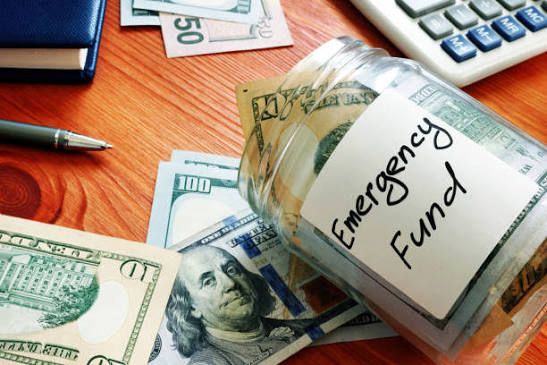
An emergency fund is a reserve of money set aside specifically for emergencies and unexpected situations.
It is not meant for holidays, shopping, or planned purchases. Instead, it is intended to cover genuine emergencies.
The purpose is simple: to manage unexpected expenses without relying on credit cards, personal loans, or borrowed money.
Keeping these savings in a separate account also makes it easier to avoid spending them on non-essential expenses.
Why Is an Emergency Fund Necessary?
Life is full of unexpected setbacks. Their financial impact often depends less on the size of the expense and more on the level of preparation beforehand.
Without an emergency fund, even a relatively small expense can create financial stress.
An emergency fund helps by:
>Reducing reliance on loans during difficult times.
>Protecting long-term savings and investments.
>Avoiding unnecessary credit card debt.
>Providing financial confidence during uncertain situations.
>Supporting better financial decisions without panic.
Many financial experts recommend building an emergency fund before making high-risk investments because unexpected situations can arise at any time.
Small Savings Can Make a Big Difference
One of the biggest misconceptions is that an emergency fund needs to start with a large amount.
In reality, consistency is far more important than the initial balance.
Even small monthly contributions gradually build a financial cushion that becomes increasingly valuable over time. Setting up automatic transfers into a dedicated savings account can make the process easier and more consistent.
Financial security is rarely achieved overnight. More often, it grows through small, disciplined financial decisions made over time.
Where Should an Emergency Fund Be Kept?
Accessibility is just as important as saving the money itself.
Emergency savings should remain separate from everyday spending while still being easy to access whenever needed.
Common options include:
>Savings accounts.
>High-yield savings accounts.
>Short-term fixed deposits with flexible withdrawal options.
The primary objective is not earning the highest possible return but ensuring the money is available when a genuine emergency occurs.
Common Mistakes That Can Reduce Financial Preparedness
Building an emergency fund is only part of the process. Managing it properly is equally important.
Some common mistakes include:
>Using emergency savings for planned purchases.
>Keeping all savings in investments that are difficult to access quickly.
>Stopping contributions after saving a small amount.
>Failing to rebuild the fund after it has been used.
>Mixing emergency savings with regular spending accounts.
Avoiding these mistakes helps ensure the fund is available when it is truly needed.
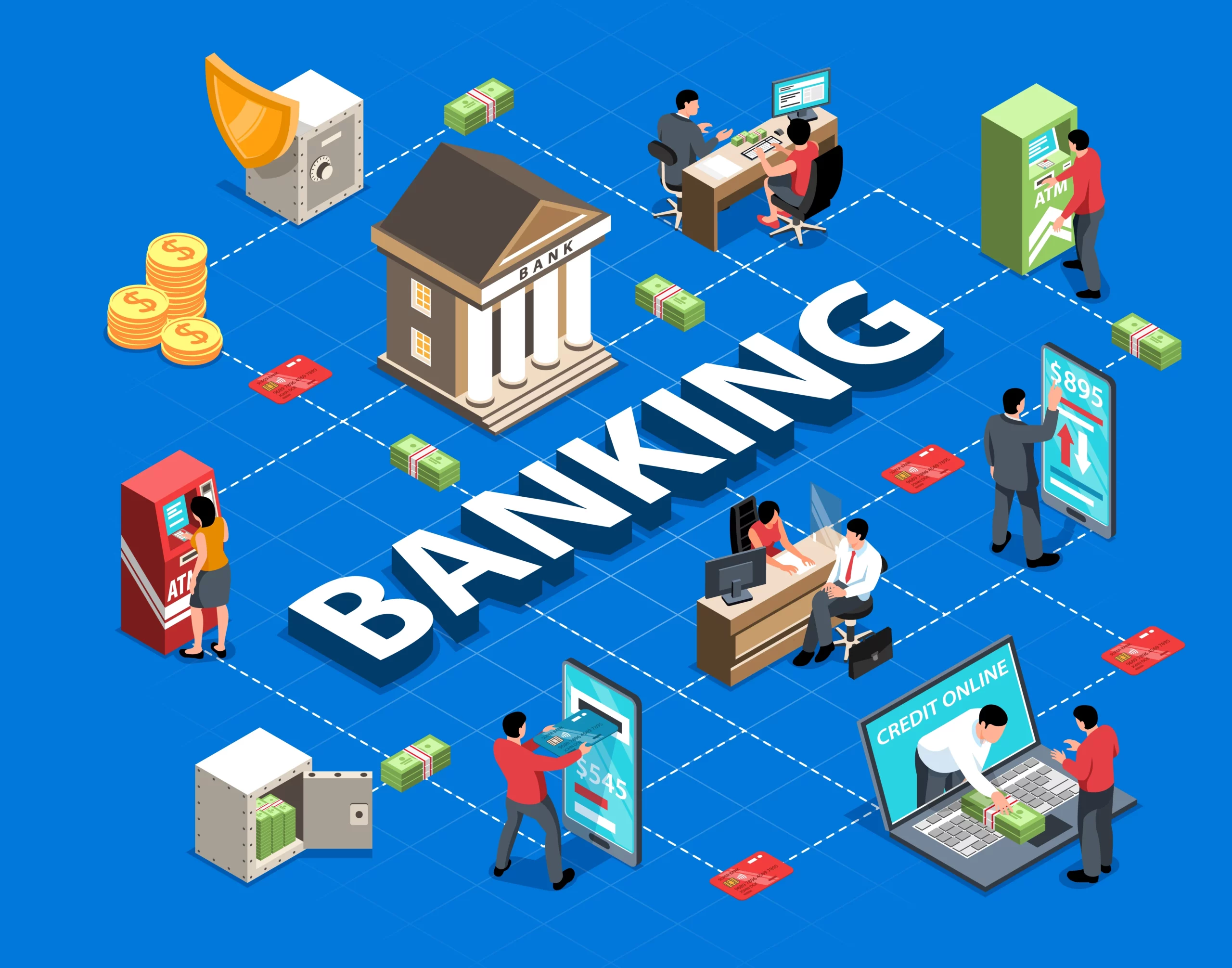
How Banking Can Help Build Better Saving Habits
Modern banking provides several tools that make saving easier.
Automatic transfers allow a fixed amount to move into savings every month without manual effort. Mobile banking apps make it simple to track account balances and monitor saving progress. Recurring deposit options also encourage disciplined saving habits.
These features make it easier to develop consistent financial habits.
Over time, even modest monthly contributions can grow into a meaningful financial safety net.
How an Emergency Fund Supports Long-Term Financial Goals
Unexpected expenses often force people to withdraw investments, postpone financial goals, or take on unnecessary debt.
An emergency fund helps prevent these setbacks.
Having a dedicated source of emergency savings means retirement planning, education savings, or home-buying goals can continue without major interruptions when unexpected expenses arise.
This helps keep long-term financial plans on track.
Conclusion
Financial security is not built solely by earning more or investing more. Preparation plays an equally important role.
An emergency fund may not seem exciting, but its value becomes clear during unexpected situations. It protects savings, reduces financial stress, and provides the flexibility to manage life’s uncertainties without making costly financial decisions.
Strong financial habits are often built through simple, consistent choices. Setting aside money for emergencies is one of those decisions that continues to provide lasting financial benefits long after the first deposit.