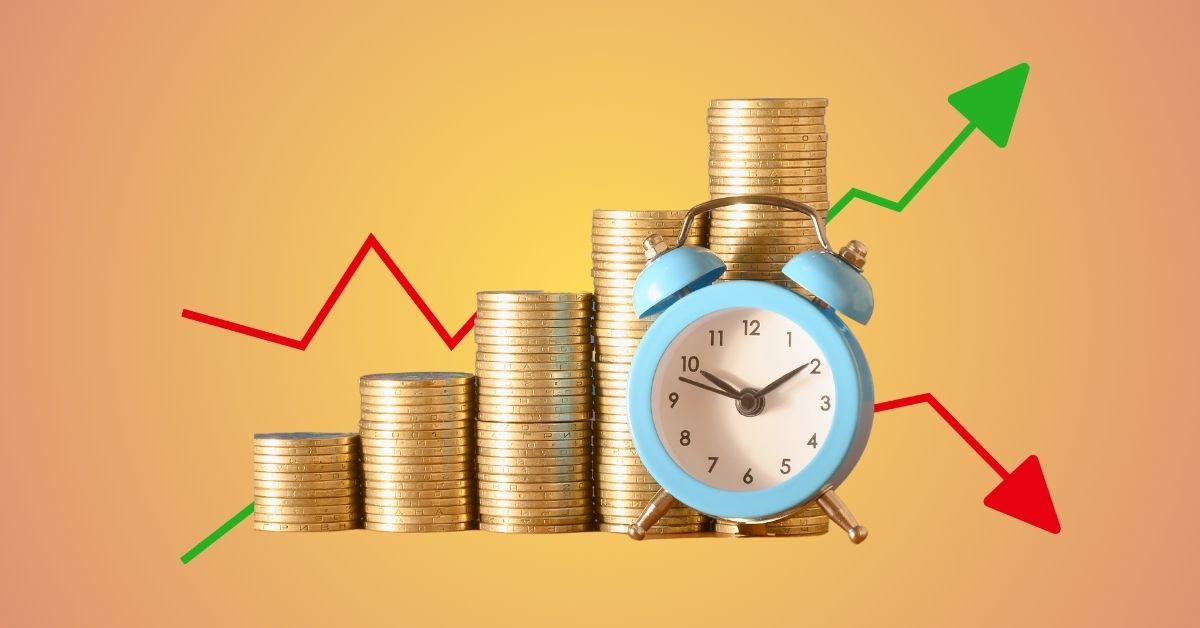


A lot of the way investing looks is based on who you are. To some it means buying stocks and reading the market every morning. For others, it means putting money into mutual funds, bonds, exchange traded funds or other investments and letting it sit for years. There is no standardized approach and that is probably one of the first things to get your head around.
An investment occurs when you put money into an asset expecting it to increase in value or produce income over time. The key word here is “may”. Unlike a traditional savings account, Investments can go up and down. There is always some uncertainty and knowing what that uncertainty is an important part of making rational decisions .
Knowing What You Want To Do With Your Money
Knowing what you are trying to achieve with your money before you decide on an investment is useful. Retirement savings are not like saving for a house or education or a business or a goal a few years out.
The type of investment that makes sense depends on the amount of time you have. An investor with many decades to go may have more time to endure short-term market dips. But someone who needs the money right now may not be so flexible.
Hence the idea of a time horizon. The longer the investment time horizon, the more chance investments have to come back from stretches of poor performance. Short term goals usually require more stability and cash availability.
Know The Risk Before Chasing The Return
It’s easy to get caught up in the prospect of a high return, especially if a stock or investment is getting a lot of attention. But bigger potential rewards tend to come with bigger risks. There are no investments that yield high returns and are free of risk.
Risk tolerance is not being comfortable with a number going up or down on a screen. And it’s about the ability to take a hit financially and stay the course over the long haul.
For instance, an investor who becomes very nervous when the market declines may choose a different portfolio than an investor with a longer time horizon who can handle more volatility. It’s good to know the difference so that you aren’t making decisions based on fear or excitement alone.
Diversify Diversify Diversify
Diversification is among the most common concepts in investing. The idea is pretty simple: don’t put all your money into one investment, or one kind of asset.
A portfolio with a mix of investments may be more resilient to problems in a particular company, industry or asset class. If one part of the portfolio is suffering, other investments can compensate for the impact on the whole.
Diversification does not eliminate risk and does not guaranty that a portfolio will not lose money in a declining market. However, a diversified portfolio of assets and sectors can reduce the damage from over-reliance on one investment.
There can be different levels of diversification. A portfolio can have many different kinds of assets, like stocks, bonds and cash. You can spread your investments over different industries and different sizes of companies. And funds can give you exposure to many securities in one investment.
Bonds & Stocks, Funds
Stocks are a share of ownership in a company and can offer some great potential for growth. Stock prices do also have big swings, especially over shorter periods of time.
Bonds are another story. A bond is a contract under which the bondholder lends money to an issuer of the bond, who agrees to pay interest and repay the principal at a later date, known as the maturity date. Risks of Bonds depend on issuer and other factors.
Mutual funds and exchange-traded funds, or ETFs, pool money from many investors to invest in a collection of investments. While such narrowly focused funds can still expose an investor to a particular industry or segment of the market, they can allow for diversification.
The right mix will depend on variables like financial objectives, time horizon and risk appetite. There isn’t a single sized portfolio for every situation.
The need for consistency
Sometimes investing is not about trying to time the market. Long-term investors may find consistency more valuable than always reacting to market activity.
If you invest consistently, your portfolio will increase over time. If the markets go up the money will buy less shares/units. As the prices fall the contribution will buy more. This allows us to avoid the pressure of trying to predict every short-term market move.
It becomes habitual too. Long-term financial objectives are always funded, instead of waiting for the “right” opportunity.
Don’t Let Feelings Think
Markets are very emotional places. Rapidly rising investment can create excitement and FOMO. Investors may panic and sell right after a sudden drop.
Neither is a good investment choice.
A good investment plan can be your safety net in volatile markets. Instead of throwing the whole strategy out the window after a few tough weeks or months, it might be worth revisiting the original financial goal and asking if anything has changed.
Overtrading can also increase costs and decrease the chances of sticking to a long-term plan. Good investment techniques do not require constant action.
Re-evaluate and adapt your portfolio
A portfolio can grow organically over time . What happens if stocks do great, and become a much larger part of the portfolio than you planned? Then the amount of risk may not be just what is wanted.
Rebalancing simply means bringing the portfolio back to its target allocation. This could mean cutting overweight positions and adding to underweight ones. According to Investor.gov, one way to realign a portfolio’s risk level and investment goals is through rebalancing.
You don’t always have to rebalance. The way you do this will depend on your circumstances and your investment approach.
Cost consciousness
costs are important but so are the investment returns Fees, commissions and other expenses can seem small on a per-transaction basis, but they can add up to have a significant impact over time.
Part of the research process should include how easy it is to sell an investment, the risk and the cost.
Financial advice is no different. If you want professional financial advice, check the qualifications, fees and relevant background before you decide.

Investment is a long-term matter
There is always some market forecast, some hot stock, some investment trend or other being talked about on the internet. No need to over complicate investing by chasing every new opportunity.
The more practical approach develops a clear objective, a suitable time horizon and an understanding of risk. That’s the start of diversification, regular investing and periodic portfolio review that can help evolve a structured approach.
The goal of investing is not to find that one perfect asset that will bring you financial success. It’s about making smart choices and realizing that markets can be unpredictable and giving your investments the chance to do the work to achieve your meaningful financial objectives.
The market moves up and down. Prices will change, go up, go down, and sometimes go in totally unpredicted directions. A good investment plan doesn’t need to predict every move. It needs to be built on realistic objectives, manageable risk and the discipline to stay focused in a noisy market.