
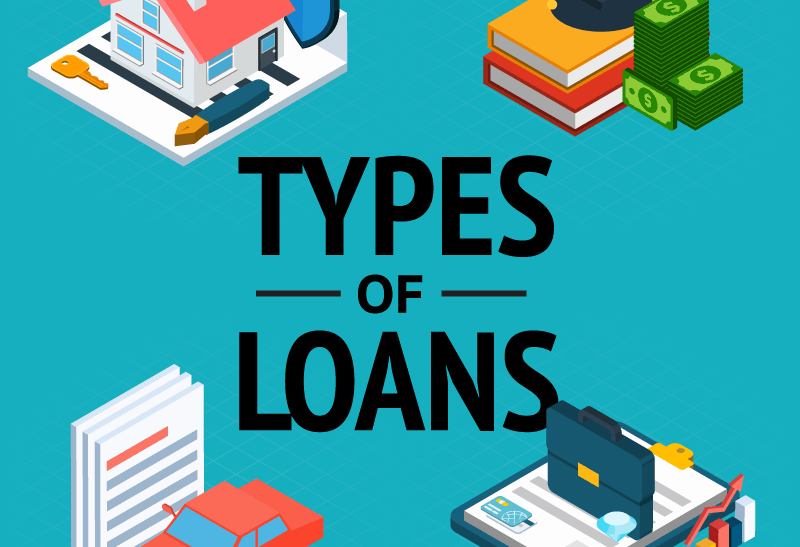
Loans can be useful when there is a genuine financial need, but choosing the right one is not always straightforward. Different loans are designed for different purposes, and the lowest monthly payment is not necessarily the lowest-cost option in the long run.
A personal loan works differently from a mortgage. An auto loan has different terms from a home equity loan, while a line of credit provides access to money in a different way.
Understanding these differences before applying can make it easier to compare borrowing options and manage repayment.
Secured Loans and Unsecured Loans
A useful starting point is understanding the difference between secured and unsecured loans.
Secured loans are backed by collateral. A mortgage, for example, is secured against the property, while an auto loan is generally secured against the vehicle. If the borrower fails to repay the loan, the lender may have rights to the collateral.
An unsecured loan does not require a specific asset as collateral. Personal loans and some student loans are examples. Since there is no specific asset backing the loan, approval and pricing may depend more heavily on factors such as credit history, income and overall financial circumstances.
There is a straightforward trade-off. Secured borrowing may offer better terms in some cases, but an asset is placed at risk. Unsecured loans do not require collateral, but they can sometimes carry higher borrowing costs.
Personal Loans: Flexibility Comes With a Cost
Personal loans are commonly used for expenses that do not fit into a specific loan category.
Depending on the lender, the money may be used for a major purchase, home improvements, unexpected expenses or debt consolidation.
The main advantage is flexibility. Unlike a mortgage or auto loan, a personal loan is generally not tied to a particular asset.
The cost can vary considerably between lenders. Interest rates, fees and repayment periods all affect the total amount paid. A longer repayment period may reduce the monthly payment, but it can also result in more interest being paid over the life of the loan.
Auto Loans for Vehicle Purchases
Auto loans are designed specifically for purchasing vehicles and are generally secured by the vehicle itself.
This makes an auto loan different from an unsecured personal loan. If the loan is not repaid according to the agreement, the vehicle may be subject to repossession.
When comparing auto loans, the interest rate is only one part of the picture. The loan term, down payment, fees, total interest and overall amount paid for the vehicle should also be considered.
A longer repayment period can make monthly payments appear more affordable, but the total borrowing cost may be higher.
Mortgages: A Long-Term Commitment
Mortgages are generally used to purchase property, with the property serving as collateral for the loan.
Because mortgage amounts can be substantial and repayment can continue for many years, even a small difference in the interest rate can have a significant effect on the total cost.
A fixed-rate mortgage keeps the interest rate unchanged according to the loan terms, which can make payments more predictable. An adjustable-rate mortgage can change after an initial fixed period, meaning future payments may increase or decrease depending on the terms and market rates.
The choice between mortgage types depends on factors such as financial circumstances, the expected length of ownership and comfort with changing payments.
Home Equity Loans and HELOCs
Homeowners may also have the option of borrowing against the equity built up in their property.
A home equity loan generally provides a lump sum that is repaid over a set period. A home equity line of credit, commonly called a HELOC, works more like a revolving credit facility, allowing borrowing up to an approved limit as needed.
These options can be useful for larger expenses, but there is an important consideration: the home is used as collateral.
If the debt cannot be repaid, the property may be at risk. Any potential savings in borrowing costs therefore need to be considered alongside the additional risk.
Installment Loans vs. Lines of Credit
Another important difference between loans is how the money is accessed and repaid.
An installment loan provides a specific amount upfront and is then repaid through scheduled payments over an agreed period. Mortgages and auto loans are common examples.
A revolving line of credit works differently. Money can generally be borrowed, repaid and borrowed again up to an approved limit. Credit cards are example of revolving credit.
For a single expense with a known amount, an installment loan can make budgeting easier. A line of credit can provide more flexibility when expenses occur over time, but it requires careful management.
How to Compare Loans Properly
The advertised interest rate does not tell the entire story.
Before choosing a loan, it is useful to look at the overall cost of borrowing. This can include the interest rate, annual percentage rate where applicable, origination or closing fees, repayment period, penalties and other charges.
The repayment period deserves particular attention. A longer term can reduce the monthly payment, but interest may be charged for a longer period.
For that reason, the loan with the smallest monthly payment is not automatically the best option. Total cost, repayment terms and the risk involved all matter.
A Loan Should Solve a Financial Need
Borrowing can be a useful financial tool when the purpose is clear and the repayments fit within the budget.
Before taking on additional debt, existing monthly obligations, income stability and the total amount that will eventually be repaid should be considered. Comparing several loan offers can also reveal differences that may not be obvious from the advertised rate.
There is no single loan that is right for every situation. A mortgage may be appropriate for purchasing a home, an auto loan can help finance a vehicle, and a personal loan may provide flexibility for a specific expense.
The important part is understanding the amount being borrowed, the total cost, the repayment period and the consequences if circumstances change.