
The Significance of Diversification in Investment
A huge number of investors make the same mistake when they first start investing.
They see one company that they believe in, one industry that looks promising, or one investment that seems to be doing well, and they put most of their money into it.
It looks like a smart move for a moment.
If an investment is doing well, then putting more money in should get you better returns, right?
Not always.
One of the oldest lessons in investing is that nobody can predict the future with complete certainty.
Markets change. Industries evolve. Even the best companies can hit unforeseen snags.
That’s why diversification is one of the most important principles of investing.
What Does Diversification Mean?
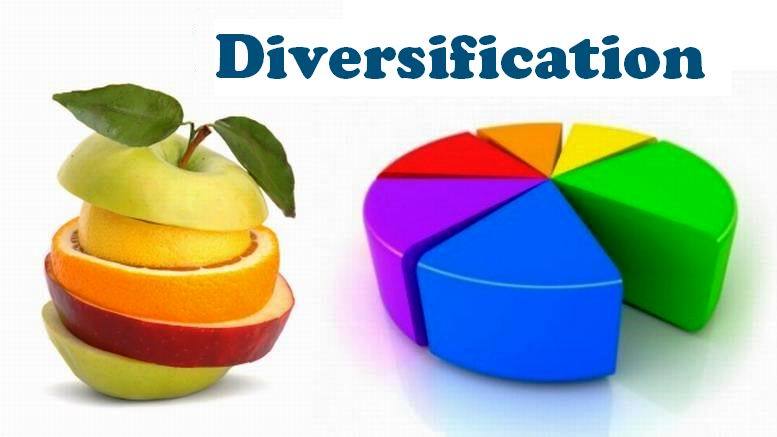
Diversification is when you spread your money across different assets instead of putting all of your money into one investment.
The notion is simple.
When one investment goes bad, other investments can offset the damage to a portfolio.
Diversification may include:
- Shares
- Indebtedness
- Fund of funds
- ETFs (Exchange-Traded Funds)
- Asset
- Global investment
- Different industries and sectors
Diversification is all about spreading your risk out more evenly, rather than putting all your money on one investment to succeed.
Why Diversification Matters
All investments carry some risk.
There’s no guarantee that a good opportunity is going to work out the way you want it to.
Diversification lessens some of that uncertainty.
Investors do not prefer to put all their eggs in one basket and instead spread their risk across a variety of assets.
It will not eliminate risk, but it can help reduce the impact of unexpected changes in the market.
Benefits of Diversification
Reduced Investment Risk
The greatest benefit of diversification is risk management.
Spreading your investments across different assets means that losses in one will be offset by gains in another.
This may help promote a more stable investing experience.
Protection Against Market Changes
Markets don’t move in a straight line.
Some areas are going okay, while some are struggling.
A diversified portfolio may be better able to cope with changing market conditions.
Promotes Long-Term Thinking
Diversification makes it less likely that the mind will jump on the latest investment fad.
Instead, investors create portfolios for steady growth and stability.
Opens Up More Opportunities
Growth cycles are different across different industries and asset classes.
Instead of depending on a single source of returns, investors can benefit from various opportunities for growth with diversified portfolios.
Helps Lower Emotional Decisions
Sometimes investors panic when one investment goes down.
Diversification builds confidence as well because you’re not depending on the performance of one investment.
Common Ways Investors Diversify Their Portfolios
Investors have a few ways they can diversify their portfolios.
Asset Class Diversification
Investors tend to spread their money around:
- Stocks
- Fixed-income
- Estate
- Cash and cash equivalents
Different market conditions impact every asset class in different ways.
Sector Diversification
Instead of putting money into one industry, investors may want to look at a variety of industries that include:
- Technology
- Health Care
- Financing
- Consumer goods
- Power
It also means the portfolio is less sensitive to how one industry is performing.
Regional Spread
The economic situation is not the same for all regions.
Portfolio diversification can also be added with international and regional diversification.
Investment Diversification by Size
Most investors have a blend of:
- Large corporations
- Medium-sized businesses
- Small businesses
Each category has different growth and risk characteristics.
How to Build a Diversified Portfolio
Step 1: Define Your Investment Objectives
A clear understanding of your financial objectives is the basis of any investment strategy.
Goals might be:
- Planning for retirement
- Wealth creation
- Making money
- Education funding
Step 2: Know Your Risk Tolerance
Some investors are okay with more volatility, while others want stability.
Knowing your risk tolerance helps inform your diversification decisions.
Step 3: Avoid Focusing Too Much on One Investment
Portfolio diversification is good, but there shouldn’t be too much weight in any one investment, industry, or asset class.
Step 4: Monitor Your Investments Regularly
Markets change over time.
Regular portfolio reviews can help maintain a diversified portfolio and keep it aligned with financial goals.
Step 5: Be Consistent
Diversification works best as a long-term strategy, not as a short-term reaction to market movements.
Common Mistakes in Diversification
Even investors who know about diversification do make some mistakes.
The most common examples include:
- Investing a lot of money in one company
- Following market hype
- Not doing portfolio reviews
- Reacting too strongly to short-term market movements
- Investments concentrated in one sector
Avoiding these mistakes can lead to better long-term investing results.

Diversification in the Modern Investing World
Today, investors have more options than ever to diversify their portfolios.
Investment platforms now provide access to:
- Exchange-Traded Funds (ETFs)
- Mutual fund indexing
- Global markets
- Automated investment tools
- Investment products at low cost
These tools help make the diversification process easier for new and experienced investors alike.
Concluding Thoughts
There is more to successful investing than simply picking the next winning investment.
It’s about managing risk and planning for uncertainty.
Diversification helps investors reduce risk, cut their dependence on specific investments, and build stronger portfolios in the long run.
No strategy can completely eradicate risk, but the benefits of diversification still make it one of the most effective ways to generate long-term financial growth while riding the market’s inevitable roller coaster.
Many investors don’t like to put all their eggs in one basket.
This is about building baskets that can work together for long-term financial success.